Brassy Hair? How to Remove Warm Tones with Purple Shampoo
Many people experience the same thing after a visit to the hairdresser: Their hair is beautifully blonde or light, but after a few weeks, the familiar yellow undertones appear. This can happen whether the hair is bleached, coloured, or naturally grey, and it's due to entirely normal processes in the hair shaft.
Here you can learn more about why hair turns yellow after bleaching, and how purple shampoo (also called silver shampoo) can be a simple tool to maintain a cooler tone in your hair between colourings.
Why can blonde hair get a yellow tint?
Bleached, grey, and naturally blonde hair often turns yellow (or brassy) over time due to a combination of chemical and environmental factors. When you bleach your hair, you remove the natural pigment melanin, but there are often underlying warm tones (like yellow or orange from pheomelanin) that are not completely removed. These tones become more visible as the colour fades.
Here are the primary causes:
Oxidation and sunlight: Imagine your hair as a white T-shirt. When you go out in the sun, it slowly starts to fade and get a yellowish tint. The same happens to your hair when UV rays and oxygen "oxidise" the last pigments in the hair shafts.
Fading of toners or colour: The toner often applied after bleaching to neutralise yellow tones doesn't last forever. Over time, it washes out, revealing the natural warm undertones.
Water and minerals: Think of your hair as a sponge. When you wash it in hard water with minerals like iron or copper, it's a bit like pouring tea or coffee on a white tablecloth – it slowly sets in and gives a yellowish tint.
Incomplete bleaching: If the bleaching doesn't lift the hair sufficiently (e.g., due to low-quality bleach or incorrect developer), pigments are left behind that oxidise and turn yellow.
Other factors like pollution, product residue, or frequent washing can also contribute. To counteract this, you can use purple shampoo (toner) or protect your hair from sun and minerals.
Tips for prevention:
- Use purple shampoo as needed when you need to neutralise yellow tones.
- Protect from the sun with a hat or UV protection in your hair products.
- Install a water filter to reduce minerals.
- Choose professional products for better bleaching
Grey hair and yellowish tint
Grey hair is particularly sensitive to environmental influences because it lacks the natural pigments that protect and keep the colour even. Many people find that even a beautiful silver sheen can develop a yellowish tint over time.
Here, a shampoo for grey/light hair that contains violet pigments can help refresh the tone, making the hair appear clearer and more uniform.
What does silver shampoo do?
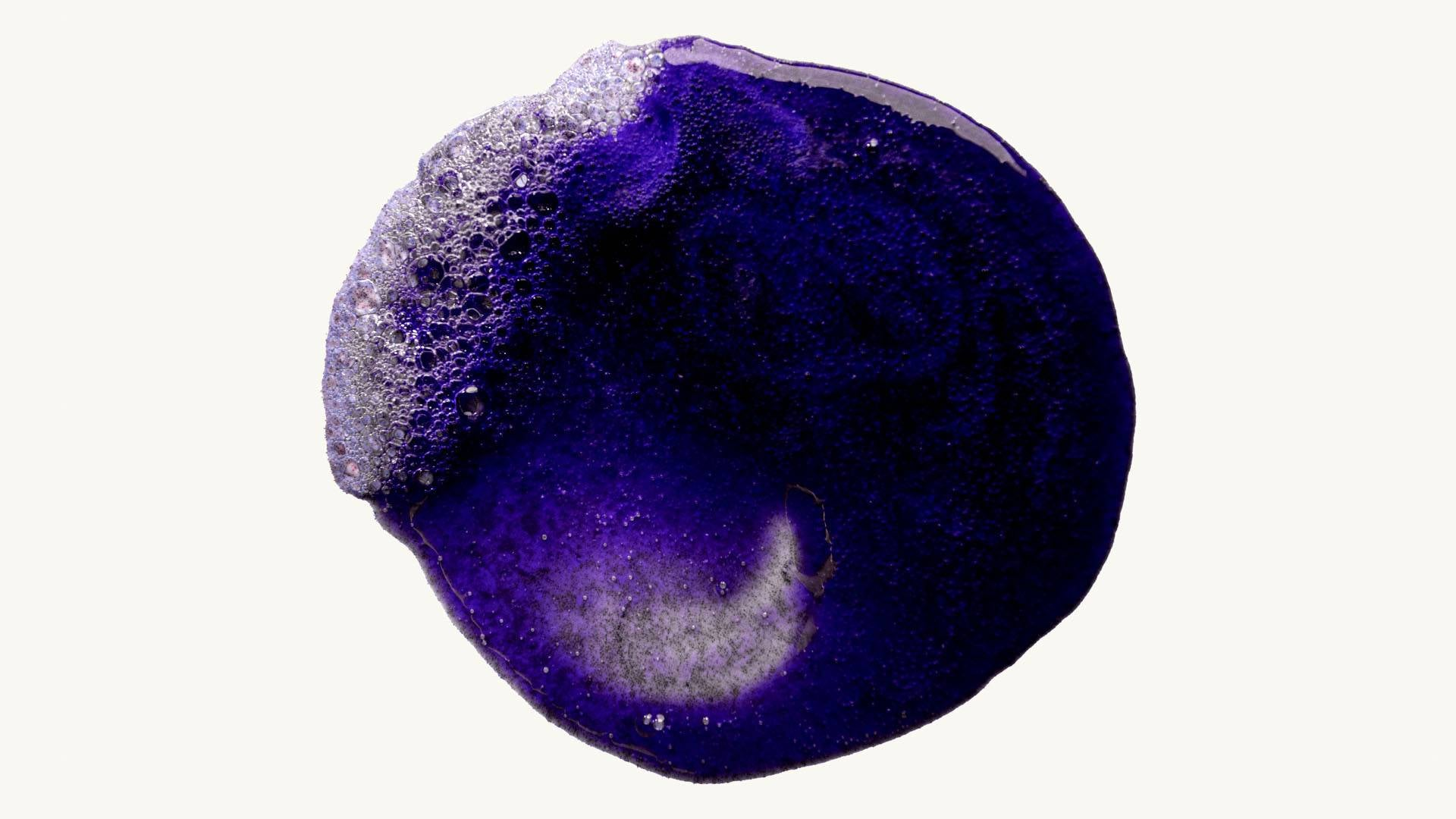
Silver shampoo and purple shampoo work based on colour theory: Purple and violet are complementary colours to yellow and orange. When you wash your hair with a shampoo containing violet pigments, a small amount of colour is deposited, neutralising the warm tones.
The result is a cooler shade, often similar to the one you had right after your salon visit.
How to use silver shampoo?
For the best results, use purple shampoo correctly:
-
Wet your hair thoroughly.
-
Distribute the shampoo evenly from root to tip.
-
Then wash your hair. Our Purple shampoo does not require it to sit in the hair for an extended period.
-
Rinse thoroughly.
-
Preferably use a moisturising conditioner afterwards.
TIP: Overuse can give the hair a slight purple tint, so use as needed.
Can yellow hair after bleaching be avoided?
Completely avoiding yellow hair can be difficult, especially if the hair is bleached or coloured light.
Therefore, many use a combination of:
-
Purple shampoo to neutralise yellowish tint
-
UV-protective products to minimise sun exposure
-
Gentle washing with sulfate-free shampoo
-
Moisture and nourishment to strengthen hair after bleaching
If you have damaged hair after bleaching, it can be beneficial to tailor your purple shampoo so that the hair receives both care, moisture, and colour correction through the purple pigments.
Shampoo for grey hair: what should you choose?
When choosing the best shampoo for grey hair, it's a good idea to consider both colour and care. Both grey and bleached hair often need extra moisture and protection so that it doesn't become dull or dry.
A good shampoo for grey hair therefore often combines:
-
Violet pigments that remove yellow tones
-
Moisturising ingredients
-
Gentle cleansing without sulfates and silicones
When should you consider toning colour for yellow hair?
If the hair is very yellow or orange, a toning colour for yellow hair can be a solution. A toner provides more intense colour correction than shampoo alone, but also requires more maintenance.
Many therefore use purple shampoo as an easy way to prolong the effect of a toner.
Grey, blonde, or bleached hair, remember this:
Whether you have bleached hair, grey hair, or natural light highlights, sun and hot styling tools are among the biggest culprits when hair turns yellow.
A simple routine with silver shampoo when the hair becomes too warm or yellow, combined with gentle care, is often enough to keep the colour fresh.
If you want to know more about hair care or find products that suit you, you can always take a hair analysis and learn more about what your hair needs.