Hårbørster
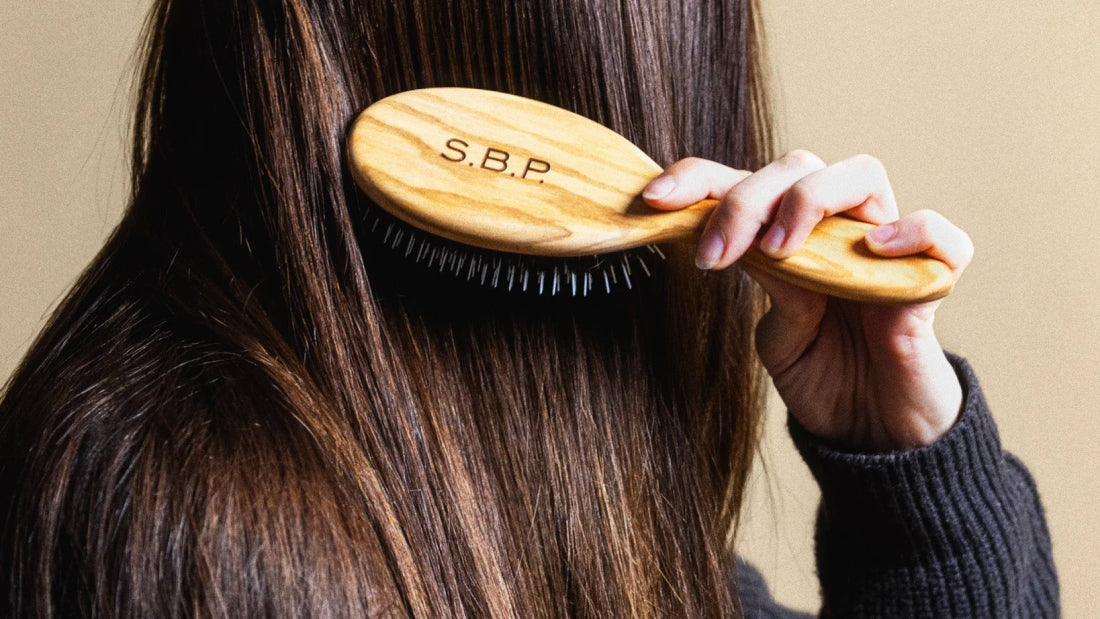
How to brush your hair correctly
The foundation for a healthy hair care routine Brushing is one of the most overlooked aspects of hair care. For many, it's solely about detangling or styling hair. In practice, proper brushing is a crucial factor for hair quality, shine, and resilience. When the technique is right and the brush is chosen carefully, brushing becomes an active grooming tool. Why is brushing important? Regular and correct brushing has several documented benefits for both hair and scalp: • Stimulates blood circulation in the scalp• Supports a healthy environment for hair growth• Removes dust, particles, and product residue• Distributes the scalp's natural oils from root to tip• Reduces frizz and static electricity• Contributes to increased shine and suppleness Especially boar bristle brushes have the ability to distribute sebum evenly through the hair. This is a natural way to nourish and protect the hair fiber. Brushing can reduce the need for frequent hair washing When the scalp's natural oils are distributed correctly, the oily appearance at the roots is reduced. At the same time, the lengths receive natural protection. This means that many can gradually increase the interval between hair washes. Expect an adjustment period: • Short hair: 1 to 3 weeks• Medium hair: 3 to 5 weeks• Long hair: 5 to 8 weeks Over time, the hair will appear more balanced, lighter, and shinier. The correct method in three steps Step 1: Detangling Purpose: To remove tangles without stressing the hair fiber. Time: Late in the day. Method: Always start at the ends and work gradually up towards the roots. Move section by section to minimize pulling on the hair. Use a flexible Detangle brush with a natural rubber cushion and gentle bristles that reduce mechanical wear. Note: Hair is most vulnerable when wet. Therefore, primarily detangle in dry or slightly damp hair. For very curly hair, detangling before washing may be gentlest. Step 2: Care brushing Purpose: To stimulate the scalp and distribute natural oils. Time: In the evening, as a regular part of your routine. Method: Apply the 100 strokes technique daily, distributed as follows: • 25 strokes with head bent forward from nape to ends• 25 strokes from forehead to nape• 25 strokes with head to the left• 25 strokes with head to the right Use a boar bristle brush, which effectively collects and distributes sebum through the hair. The mechanical stimulation supports microcirculation and contributes to a healthy scalp. Step 3: Structure and protection in the morning A quick brush in the morning provides structure and volume. At the same time, the natural oils that have worked through the hair overnight are distributed. The result is more unified and resilient hair throughout the day. What can you expect? With consistent brushing, many experience: • Less frizz• Increased shine• Stronger lengths• More balanced scalp• Fewer broken hair strands The effect builds up gradually. Brushing is not a quick fix, but a sustained method to naturally improve hair quality. A simple tool with great significance A quality brush made from natural materials such as olive wood, natural rubber, and boar bristles is designed for daily use for many years. When technique and tool work together, brushing becomes an integral part of a healthy hair care routine. Healthy hair starts at the scalp. And the foundation is created daily.
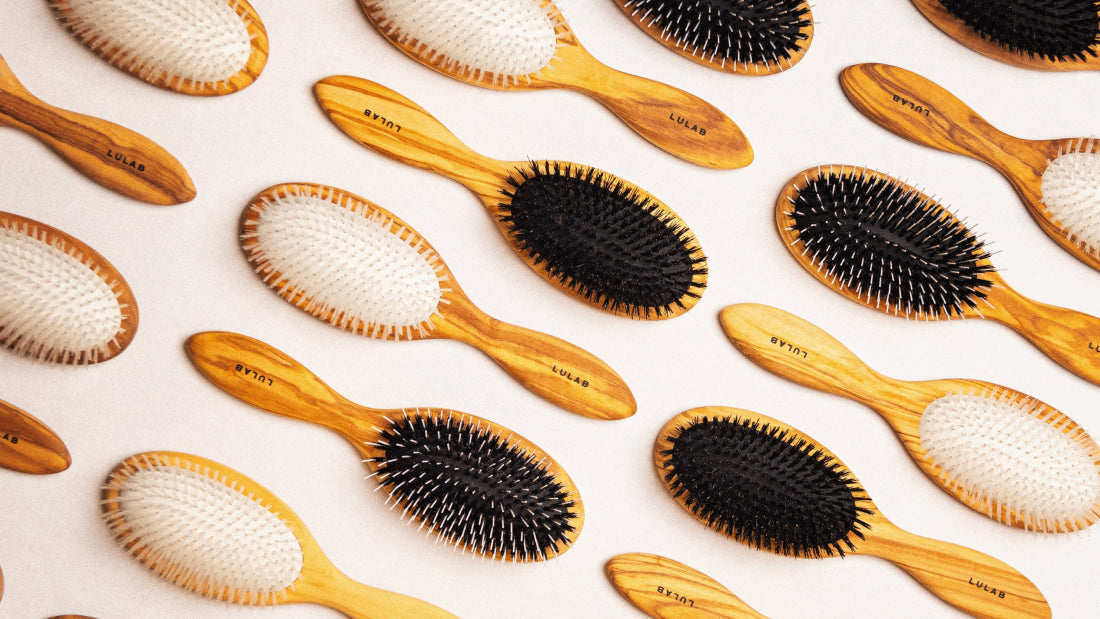
How to choose the right hairbrush for your hair type
The choice of hairbrush directly impacts hair quality. Texture, density, and scalp condition should always be considered in the decision. The right brush can improve shine, reduce damage, and support a healthy scalp. The wrong one can do the opposite. Here’s an expert-backed guide to choosing correctly. Fine to normal hair with low to medium density Fine hair is more vulnerable to mechanical stress. When wet, the hair fiber is particularly elastic and thus more susceptible to breakage. Recommendation: • Primarily brush hair when it is dry or slightly damp• Use a gentle Detangle brush with flexible bristles for detangling• Use a Care brush with boar bristles for daily care A boar bristle brush is particularly suitable for finer hair types, as it distributes the scalp’s natural oils and adds shine without weighing it down. Over time, it can contribute to increased volume and more texture. Thick and dense hair Thick hair has greater resilience but requires a brush that can work through the density without creating unnecessary friction. Recommendation: • A Detangle brush with flexible nylon bristles for efficient and controlled detangling• A Care brush with boar bristles for distributing natural oils For thick hair, the combination of flexible bristles and natural bristles can be crucial for achieving both control and care. Regular brushing increases suppleness and reduces sebum buildup on the scalp. Wavy and curly hair Curly and wavy hair has a natural structure that must be treated with respect. Dry brushing can disturb the curl pattern and create frizz. Recommendation: • Detangle hair while damp with a flexible Detangle brush• Work section by section to minimize stress When hair is dry, a Care brush can be used more selectively to stimulate the scalp and distribute natural oils, depending on the curl density. The goal is to maintain elasticity and definition. Oily scalp For those with an oily scalp, correct brushing is particularly important. Recommendation: • Use a boar bristle brush daily• Brush from root to tip to distribute excess sebum When the oil is distributed through the lengths, the oily appearance at the roots is reduced, and the hair looks more balanced. Over time, it can make it easier to extend the interval between hair washes. What should you pay attention to? When choosing a hairbrush, you should consider: • Hair structure• Hair density• Scalp balance• Whether the hair primarily needs detangling or care In practice, many will benefit from two brushes: One for detangling and one for care. A tool with long-term significance A quality brush made from natural materials such as olive wood, natural rubber, and boar bristles is designed for daily use for many years. It supports the hair's natural functions rather than working against them. Healthy hair doesn't happen by chance. It starts with the choices you make in your daily routine.
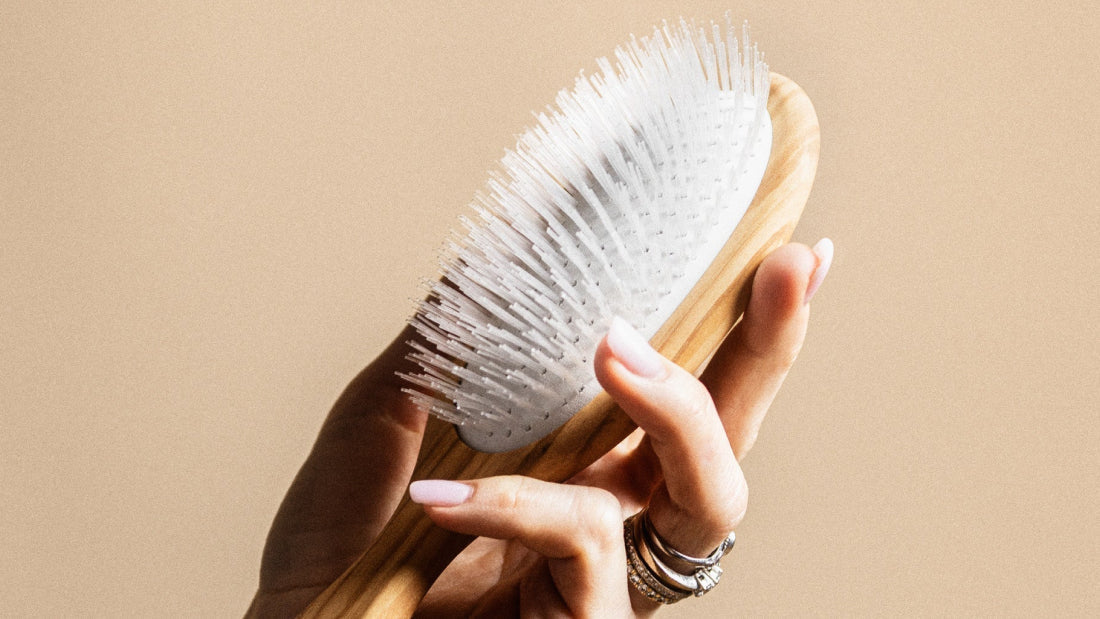
How to clean your hairbrush correctly
A guide to healthier hair and longer lasting brushes A hairbrush is a daily tool in your hair care routine. It is in direct contact with both hair and scalp and therefore naturally collects hair, dust, sebum, and product residue over time. Regular cleaning is crucial for hygiene, hair quality, and the brush's lifespan. A clean brush works more effectively, stimulates the scalp correctly, and distributes the hair's natural oils optimally. At LULAB, we consider the brush an active care tool. Therefore, maintenance should be a regular part of your routine. Why is it important to clean your hairbrush? Over time, the following accumulate: • Loose hairs• Dust and particles from the environment• Sebum from the scalp• Residues of styling and care products• Dead skin cells When these residues are not removed, it can: • Affect the scalp's balance• Reduce the brush's effectiveness• Increase the risk of oily hair• Shorten the brush's lifespan Especially if you use a brush with boar bristles or nylon fibers, regular cleaning is important to preserve the materials' function. How often should you clean your hairbrush? We recommend two levels of maintenance: After each use Remove loose hairs from the brush. This can be done with fingers, a comb, or a brush cleaner. This simple action takes only a few seconds and prevents accumulation. Once a week Perform a more thorough cleaning, especially if you use styling products or tend to have an oily scalp. How to clean your hairbrush in four steps This method applies to brushes with both boar bristles and nylon fibers. Step 1 Fill a sink or bowl with lukewarm water and add a small amount of mild shampoo. Create light suds in the water. Step 2 Hold the brush so that only the bristles or fibers are submerged in the water. Gently move the brush in the water to loosen dirt. Avoid unnecessarily soaking the wooden handle. Step 3 Rinse the bristles thoroughly under running water. Gently press out excess water with a towel. Step 4 Let the brush dry flat with the bristles facing downwards. Avoid heat sources such as radiators or underfloor heating, as this can affect wood and natural materials. Correct drying is crucial to maintain both form and function. Cleaning a boar bristle brush Boar bristles are a natural material that distributes the scalp's natural oils. To preserve this property, it is important: • Not to use water that is too hot• Not to use strong cleaning agents• To let the brush dry completely before using it again A well-maintained boar bristle brush can last for decades. Cleaning a brush with nylon fibers Bio-based nylon fibers are flexible and durable, but should still be treated correctly: • Avoid placing the brush with the fibers directly against a surface during drying• Ensure that the fibers maintain their shape during drying This ensures that detangling remains gentle and precise. A hairbrush is a long-term investment A quality brush is designed to last for many years. With proper maintenance, it can be a constant tool throughout your life. At LULAB, we work with handmade brushes manufactured in France from carefully selected materials such as olive wood, natural rubber, and natural fibers. They are created for daily use and to last. By cleaning your brush regularly, you ensure: • Optimal function• Better hair and scalp health• Longer lifespan• A more hygienic care tool A clean brush is a prerequisite for healthy hair.