The foundation for a healthy hair care routine
Brushing is one of the most overlooked aspects of hair care. For many, it's solely about detangling or styling hair. In practice, proper brushing is a crucial factor for hair quality, shine, and resilience.
When the technique is right and the brush is chosen carefully, brushing becomes an active grooming tool.
Why is brushing important?
Regular and correct brushing has several documented benefits for both hair and scalp:
• Stimulates blood circulation in the scalp
• Supports a healthy environment for hair growth
• Removes dust, particles, and product residue
• Distributes the scalp's natural oils from root to tip
• Reduces frizz and static electricity
• Contributes to increased shine and suppleness
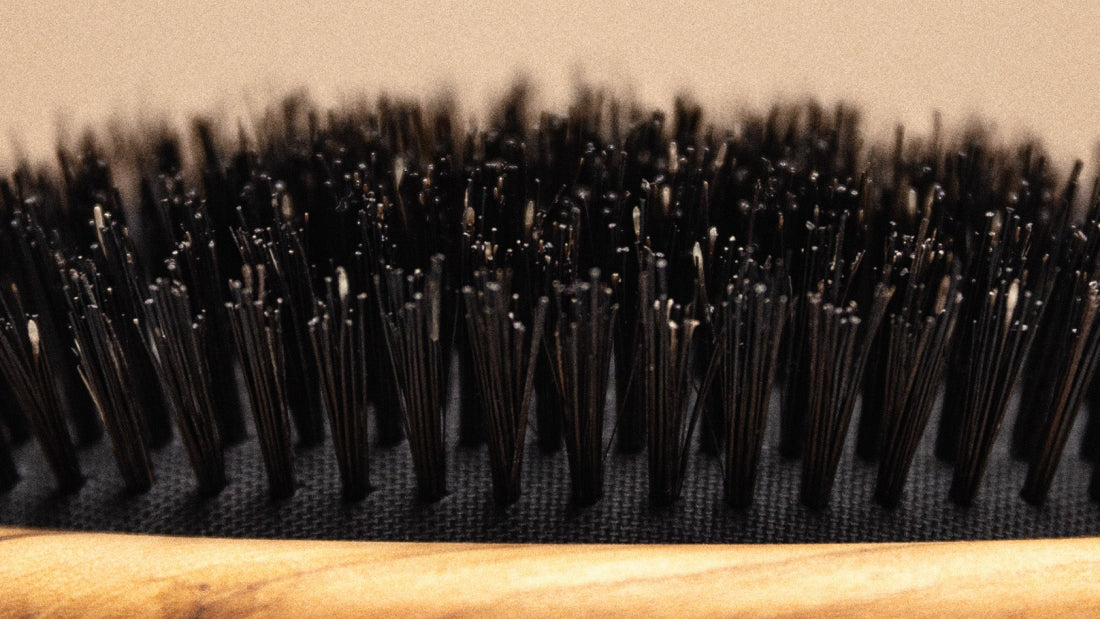
Especially boar bristle brushes have the ability to distribute sebum evenly through the hair. This is a natural way to nourish and protect the hair fiber.
Brushing can reduce the need for frequent hair washing
When the scalp's natural oils are distributed correctly, the oily appearance at the roots is reduced. At the same time, the lengths receive natural protection.
This means that many can gradually increase the interval between hair washes.
Expect an adjustment period:
• Short hair: 1 to 3 weeks
• Medium hair: 3 to 5 weeks
• Long hair: 5 to 8 weeks
Over time, the hair will appear more balanced, lighter, and shinier.
The correct method in three steps
Step 1: Detangling
Purpose: To remove tangles without stressing the hair fiber.
Time: Late in the day.
Method: Always start at the ends and work gradually up towards the roots. Move section by section to minimize pulling on the hair.
Use a flexible Detangle brush with a natural rubber cushion and gentle bristles that reduce mechanical wear.
Note: Hair is most vulnerable when wet. Therefore, primarily detangle in dry or slightly damp hair. For very curly hair, detangling before washing may be gentlest.
Step 2: Care brushing
Purpose: To stimulate the scalp and distribute natural oils.
Time: In the evening, as a regular part of your routine.
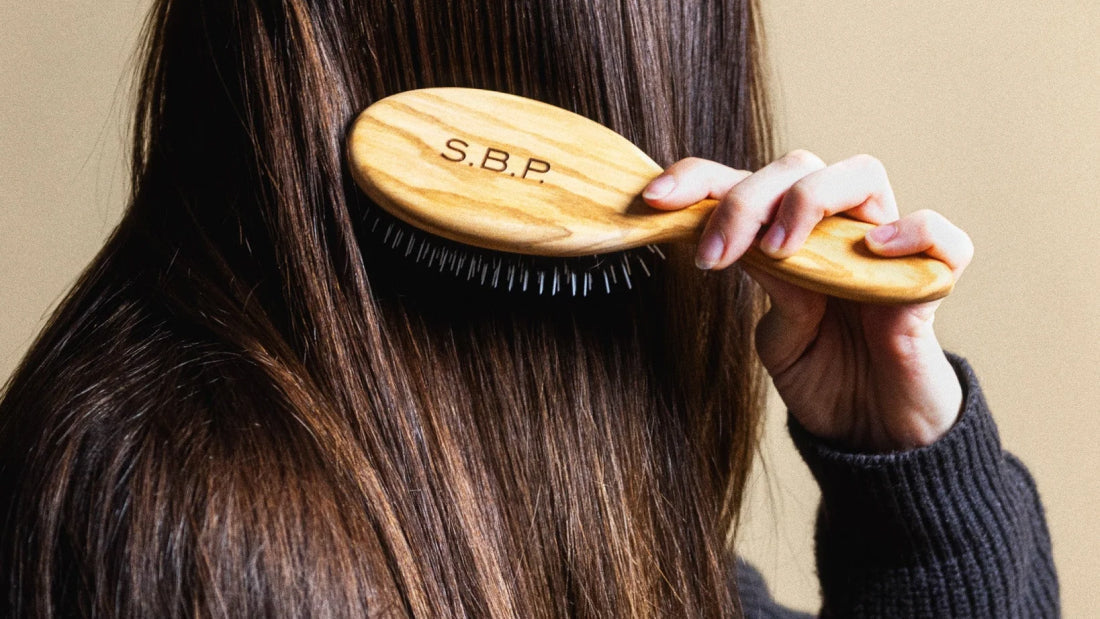
Method: Apply the 100 strokes technique daily, distributed as follows:
• 25 strokes with head bent forward from nape to ends
• 25 strokes from forehead to nape
• 25 strokes with head to the left
• 25 strokes with head to the right
Use a boar bristle brush, which effectively collects and distributes sebum through the hair.
The mechanical stimulation supports microcirculation and contributes to a healthy scalp.
Step 3: Structure and protection in the morning
A quick brush in the morning provides structure and volume. At the same time, the natural oils that have worked through the hair overnight are distributed.
The result is more unified and resilient hair throughout the day.
What can you expect?
With consistent brushing, many experience:
• Less frizz
• Increased shine
• Stronger lengths
• More balanced scalp
• Fewer broken hair strands
The effect builds up gradually. Brushing is not a quick fix, but a sustained method to naturally improve hair quality.
A simple tool with great significance
A quality brush made from natural materials such as olive wood, natural rubber, and boar bristles is designed for daily use for many years.
When technique and tool work together, brushing becomes an integral part of a healthy hair care routine.
Healthy hair starts at the scalp.
And the foundation is created daily.